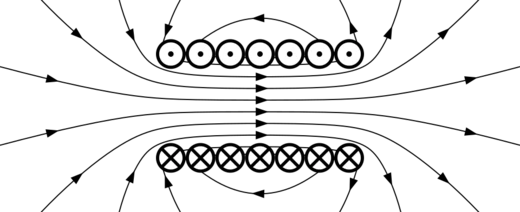
Electrical reactance
Opposition to alternating current by inductance and capacitance.

Original version: George H. Brown This version: Chetvorno · Public domain
Reactance is the opposition presented to alternating current by inductance and capacitance in electrical circuits, measured in ohms. Along with resistance, it is one of two elements of impedance; however, while both involve transfer of electrical energy, no dissipation of electrical energy as heat occurs in reactance—instead, the reactance stores energy until a quarter-cycle later when the energy is returned to the circuit. Greater reactance gives smaller current for the same applied voltage. Reactance is used to compute amplitude and phase changes of sinusoidal alternating current going through a circuit element.
- field
- Electrical engineering
- known_for
- Opposition to alternating current by inductance and capacitance
- symbol
- X
- unit
- Ohms
- types
- Inductive reactance (positive), Capacitive reactance (negative)
Lore & Background
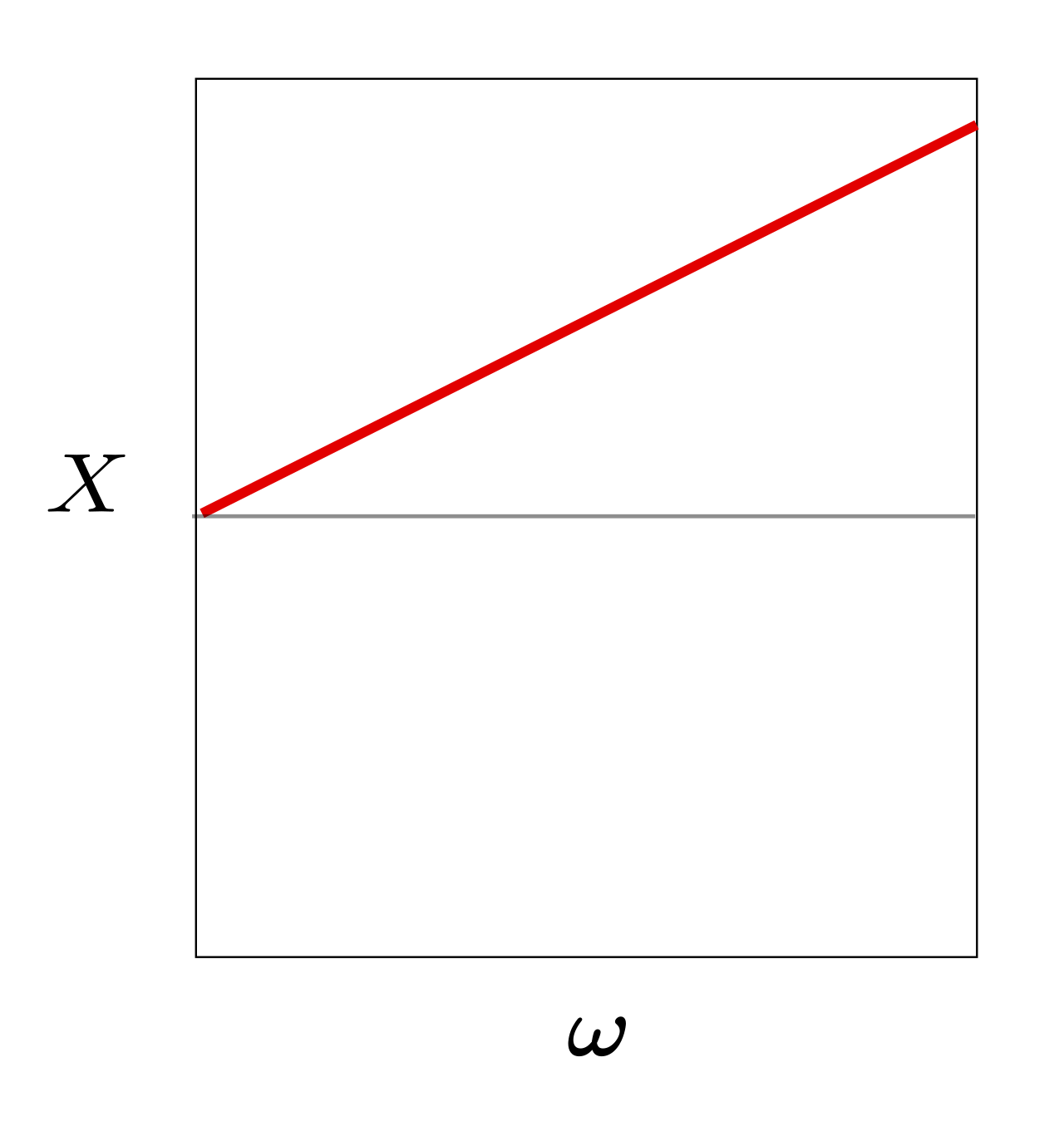
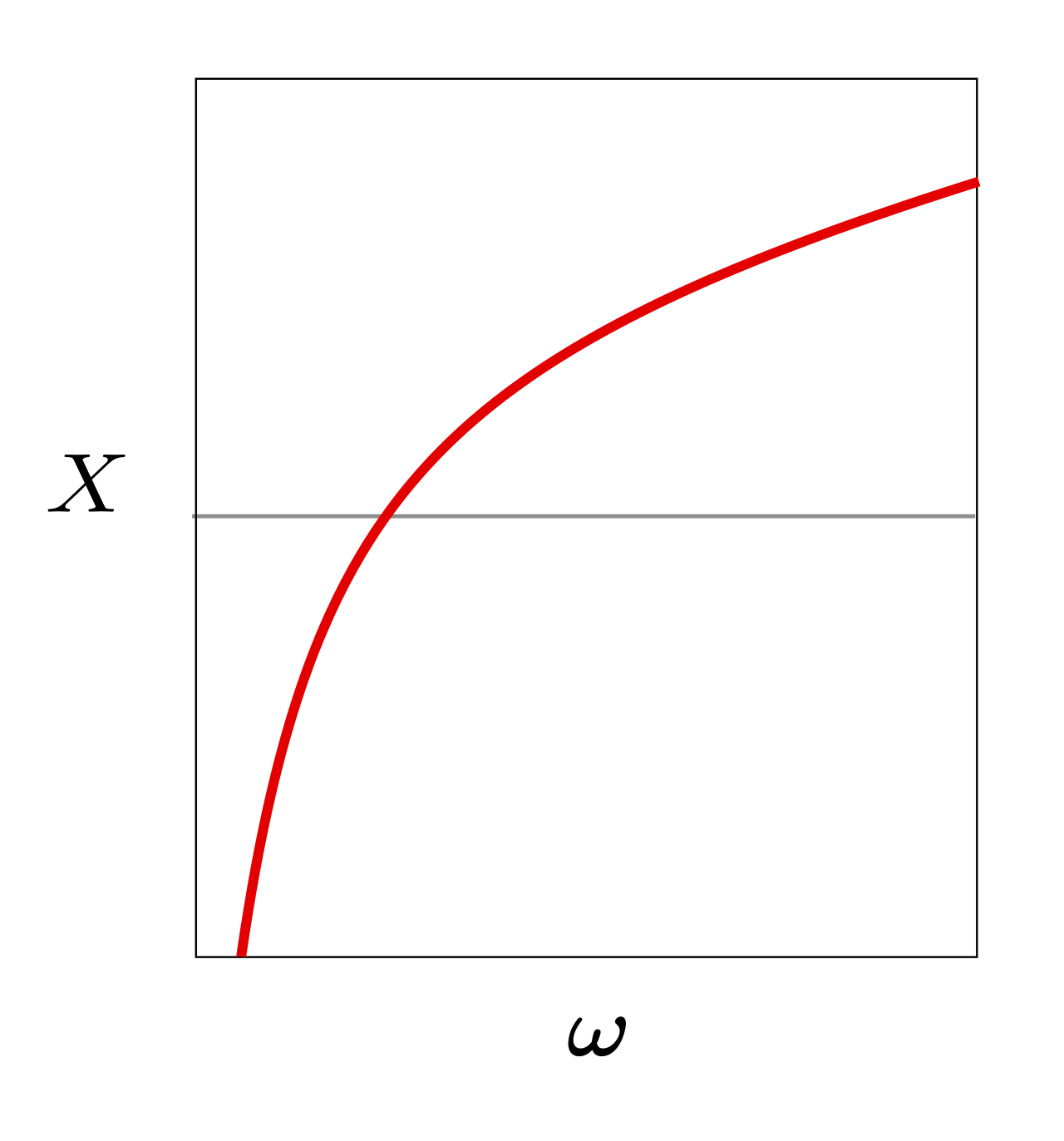
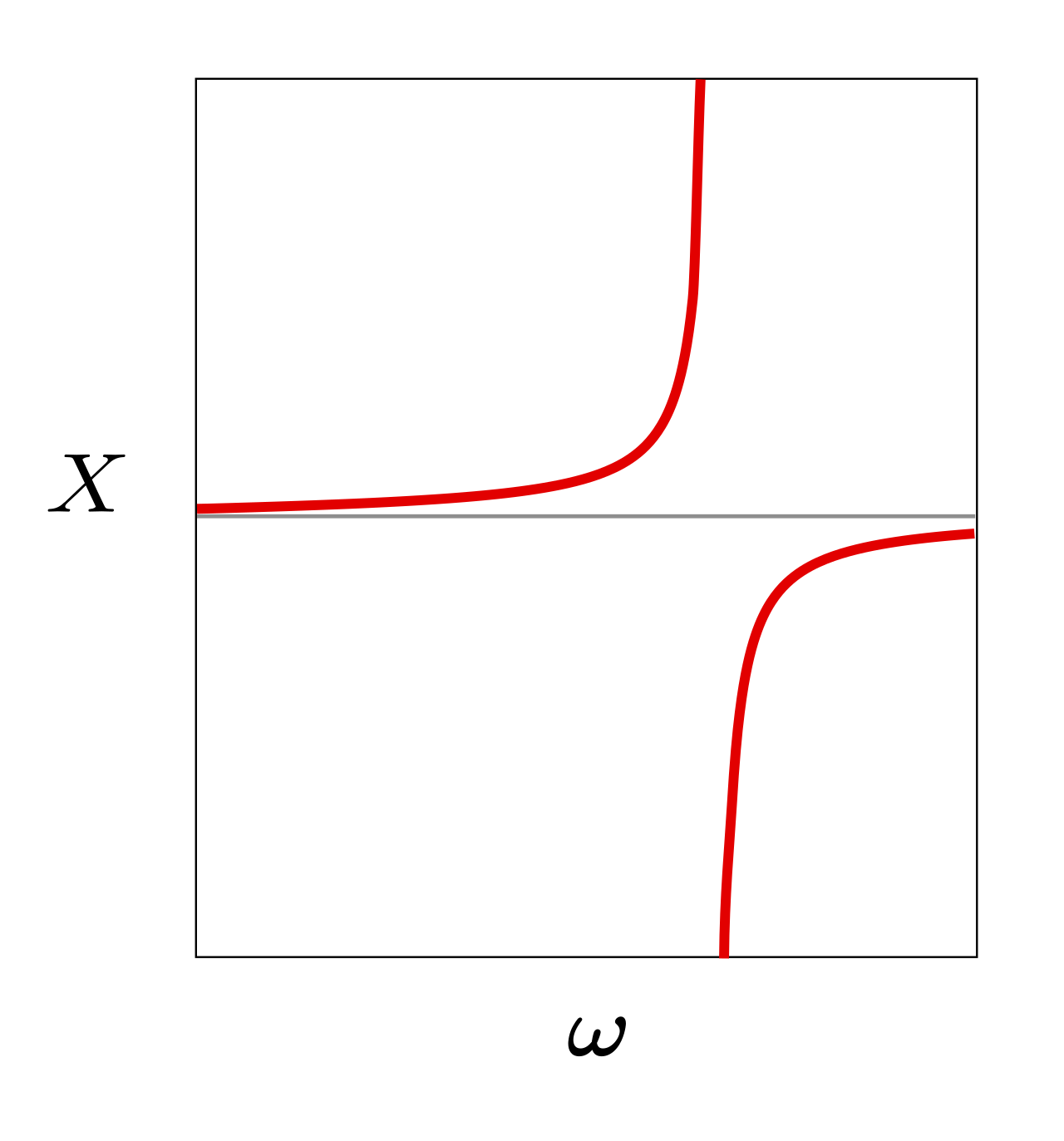
Reactance is similar to resistance in that larger reactance leads to smaller currents for the same applied voltage. However, reactance changes the phase so that the current through the element is shifted by a quarter of a cycle relative to the phase of the voltage applied across the element. Power is not dissipated in a purely reactive element but is stored instead. Reactances can be negative so that they can cancel each other out. The main circuit elements that have reactance (capacitors and inductors) have a frequency dependent reactance, unlike resistors which have the same resistance for all frequencies, at least in the ideal case.
Reader's Guide
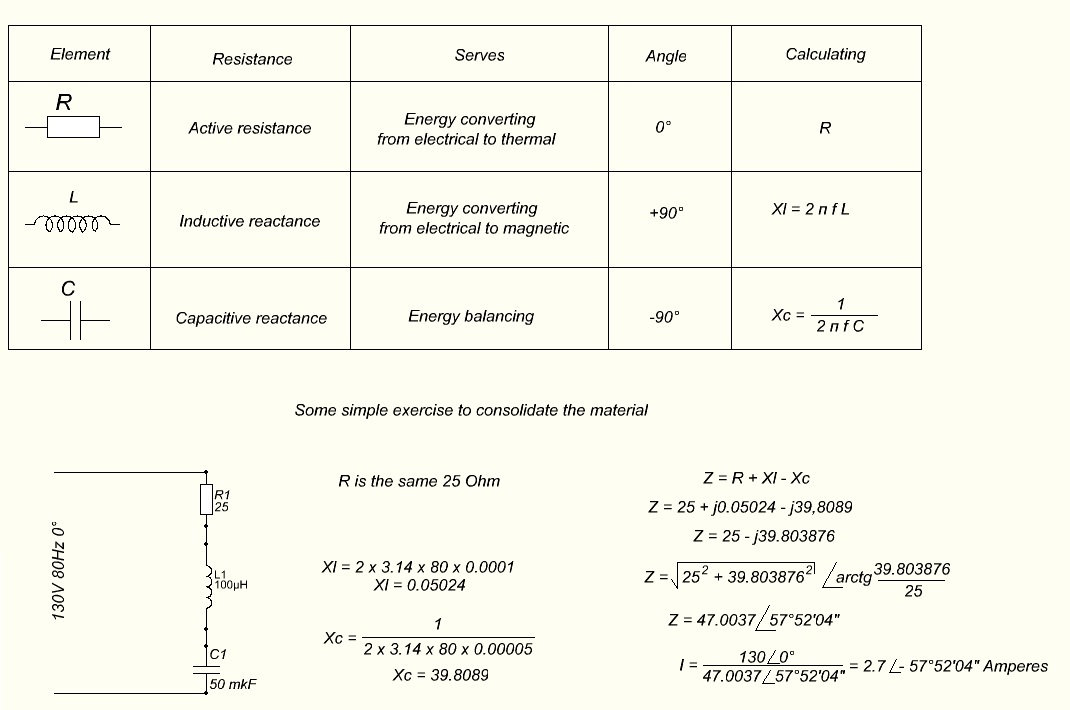
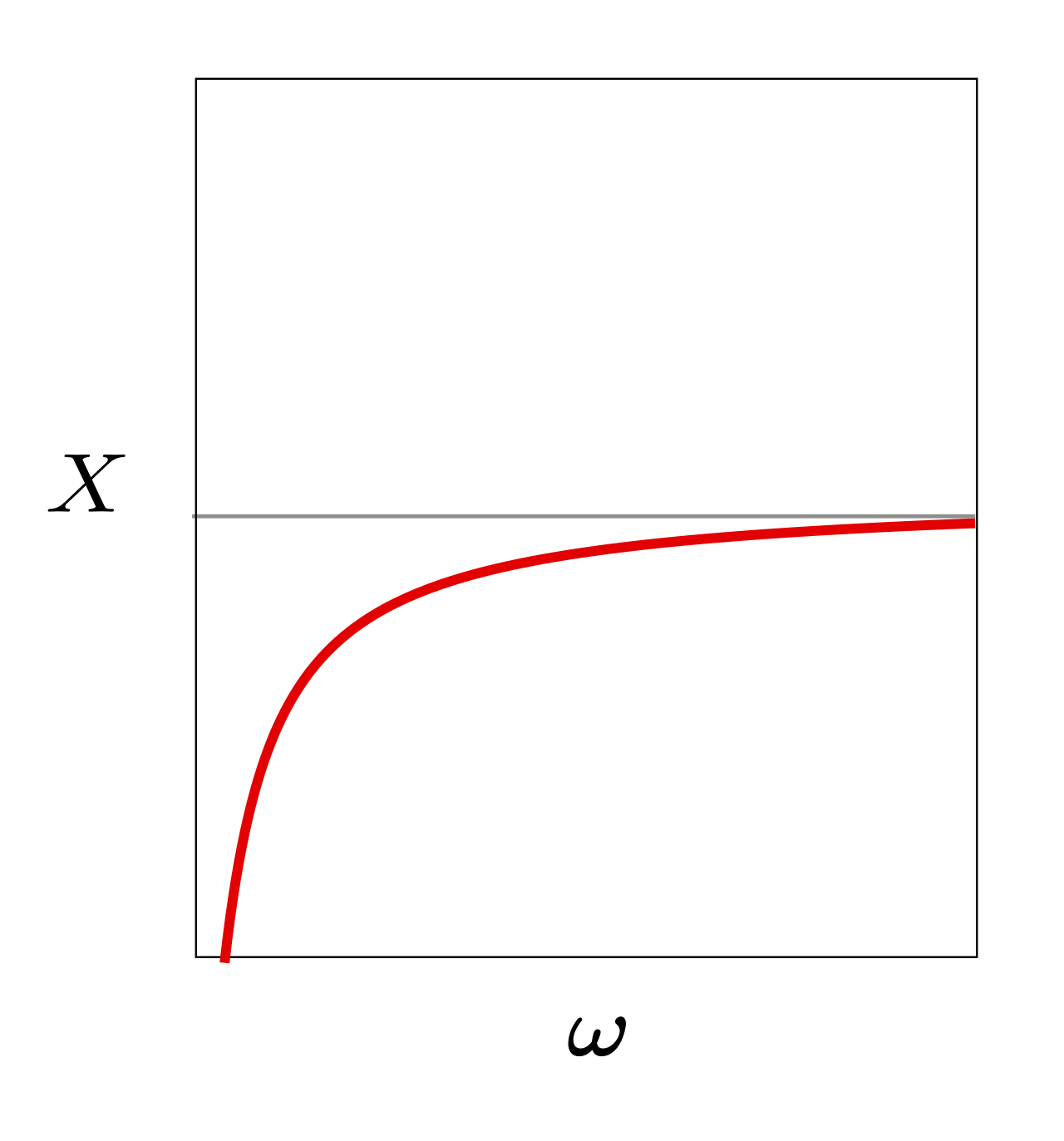
Reactance is a fundamental concept in electrical engineering, critical for understanding and designing alternating current circuits. It distinguishes itself from resistance by storing energy rather than dissipating it as heat, and by causing a phase shift between voltage and current. Capacitive reactance is inversely proportional to frequency, while inductive reactance is directly proportional. This frequency dependence allows capacitors and inductors to be used in filters, tuning circuits, and power factor correction. In electric power systems, inductive reactance can limit the power capacity of AC transmission lines because power is not completely transferred when voltage and current are out of phase. Power providers utilize capacitors to shift the phase and minimize losses. The ability to combine reactance with resistance using complex numbers (impedance) enables comprehensive analysis of AC circuits.
Did You Know?
- Reactance is measured in ohms, with positive values indicating inductive reactance and negative indicating capacitive reactance.
- As frequency increases, inductive reactance increases and capacitive reactance decreases.
- An ideal resistor has zero reactance, whereas ideal reactors have no shunt conductance and no series resistance.
Gallery
Frequently Asked Questions
Who is Electrical reactance?
Electrical reactance (symbol X) is the opposition that inductors and capacitors present to alternating current in a circuit, and it is quantified in ohms just like resistance. It is one of the two components that together make up a circuit's total impedance.
What are Electrical reactance's powers or role?
Unlike resistance, reactance does not burn electrical energy into heat; instead it temporarily stores that energy and hands it back to the circuit a quarter-cycle later. This means it shapes the current's magnitude and timing without permanently losing any power.
How does Electrical reactance's story end each cycle?
At the end of every quarter-cycle, the energy that was held in the inductor's magnetic field or the capacitor's electric field is released back into the circuit. The net energy transfer over a full cycle is therefore zero—no heat is produced.
Why is Electrical reactance important to engineers?
Because a larger reactance value forces a smaller current for a given applied voltage, it is essential for sizing components and controlling current flow. It also determines the phase shift between voltage and current, which is critical when calculating the amplitude and timing of sinusoidal signals.
What are Electrical reactance's two main types or affiliations?
Inductive reactance, which carries a positive sign and arises from coils opposing changes in current, and capacitive reactance, which carries a negative sign and stems from capacitors opposing changes in voltage. Together they can partially cancel each other out in a resonant circuit.
More in Electricity And Magnetism 1-24
Elsewhere in the Electricity And Magnetism universe
Spotted an error? Know more?
This is a living reference — every entry is fact-audited, and reader corrections feed straight into our audit queue. Suggest an edit · See this site's audit record